

1
Loss of Appetite
Refusing food or treats they once loved.
If you’re here because you’re searching “what are the signs my dog is dying?”, your heart is probably already telling you something has changed.
Maybe your dog isn’t greeting you at the door anymore. Maybe they’re sleeping more than usual, refusing favorite treats, or looking at you with tired eyes that seem different somehow. You know your pet better than anyone else. When your instincts tell you something isn’t right, it’s worth paying attention.
Not every change means the end of your pet’s life. Some symptoms can be caused by illnesses that are treatable. Others may be signs that your beloved companion is nearing the final stage of life. Knowing the difference can help you make thoughtful, loving decisions instead of feeling overwhelmed by uncertainty.
This guide was created for families throughout Mooresville, Cornelius, Davidson, Huntersville, Denver, Statesville, and the greater Lake Norman area who are facing one of the most difficult moments of pet ownership. Whether you’re trying to understand what you’re seeing, wondering when to put your dog down, or learning about in-home pet euthanasia near you, our hope is that you’ll find clear information, gentle guidance, and reassurance that you’re not facing this alone.
At Shay Shay Veterinary Mobile, we’ve sat beside hundreds of families in living rooms, on porches, and in quiet corners of the home where pets feel safest. We’ve witnessed extraordinary love during life’s hardest goodbyes, and we’ve learned that compassionate information can bring comfort when emotions make everything feel uncertain.
Your instincts matter. If you feel something has changed with your dog or cat, it’s always worth discussing with a veterinarian.
Common signs a dog is dying include loss of appetite, labored breathing, extreme weakness, confusion, withdrawal, and difficulty moving.
Cats often hide illness remarkably well, making subtle behavior changes especially important.
The HHHHHMM Quality of Life Scale can help you objectively assess your pet’s comfort.
In-home pet euthanasia allows many pets to pass peacefully in familiar surroundings.

There is no single sign that tells us a dog is approaching the end of life. Instead, veterinarians look at the whole picture.
Some dogs experience gradual changes over several weeks or months. Others may decline more quickly because of cancer, heart disease, kidney failure, advanced arthritis, or another serious condition.
The important thing to remember is this:
One symptom alone doesn’t necessarily mean your dog is dying.
Many conditions can be treated or managed successfully. Your veterinarian’s role is to determine whether your dog’s symptoms point toward recovery, ongoing management, or compassionate end-of-life care.
Below are some of the most common changes we evaluate.
Dogs often communicate through changes in behavior long before they show obvious physical symptoms.
One of the earliest signs families notice is that their dog simply isn’t interested in food anymore.
Your dog may:
As the body begins to slow down, digestion requires more energy than it once did. Illness may also cause nausea, pain, or changes in the senses of taste and smell.However, appetite loss isn’t always a sign that the end is near.
Dental disease, infections, stomach upset, medication side effects, and many chronic illnesses can also reduce appetite and may be treatable.If your dog refuses food for more than 24 hours, contact your veterinarian.
Even if your dog continues eating, you may notice that they’re becoming thinner.
You might see:
Weight loss often happens because chronic disease changes how the body uses nutrients. Muscle loss can occur surprisingly quickly in older pets with serious illnesses.
This symptom deserves veterinary attention because some causes can still be managed with nutritional support or medical treatment.
Breathing changes can be frightening to witness.
Your dog may:
Some breathing changes occur because of heart disease, lung disease, cancer, or fluid buildup. Others may simply reflect discomfort or anxiety.
Any sudden difficulty breathing should always be treated as an emergency.
A dog nearing the end of life may lose control of their bladder or bowels.
This isn’t because they’ve forgotten their house training.
Instead, weakening muscles, reduced mobility, neurological disease, or overall physical decline can make accidents unavoidable.
Many families feel guilty or frustrated when this happens. It’s important to remember that your pet isn’t choosing this. They’re relying on your patience and gentle care more than ever.
A healthy dog regulates body temperature well.
As circulation declines, you may notice:
These changes often happen gradually, especially in elderly pets with advanced illness.
Healthy gums should generally appear pink. If your dog’s gums become:
They may not be receiving enough oxygen or healthy blood circulation.
Any sudden difficulty breathing should always be treated as an emergency.
Dogs often communicate through changes in behavior long before they show obvious physical symptoms.
Some dogs begin spending more time alone.
They may:
This isn’t because they love you any less.
Many animals instinctively seek quiet, comfortable spaces when they aren’t feeling well.
A dog that once loved walks may stop asking to go outside.
A favorite tennis ball may remain untouched.
Even activities like greeting visitors or following you around the house may no longer seem important.
When dogs lose interest in the things that once brought them joy, it tells us their overall quality of life may be changing.
Not every dog withdraws. Some become much more attached to their family.
You may notice your dog:
Many owners describe this as their dog seeking reassurance.
Senior dogs with cognitive decline or serious illness sometimes appear confused.
Signs include:
These behaviors can occur with canine cognitive dysfunction, neurological disease, or advanced systemic illness.
Recognizing these changes with love can help you give your companion comfort, dignity, and peace during their final days.
Refusing food or treats they once loved.
Noticeable muscle wasting and thinning.
Shallow, irregular, or gasping breaths.
Loss of bladder or bowel control.
A sign of poor circulation or reduced oxygen reaching the body's tissues.
Seeking quiet places away from family or avoiding interaction.
No longer enjoying favorite toys, walks, meals, or affection.
Frequently changing positions, pacing, or being unable to settle comfortably.
Appearing lost, staring into space, or failing to recognize familiar people.
Pain, discomfort, and difficult days begin to outnumber peaceful, enjoyable ones.
Dogs often communicate through changes in behavior long before they show obvious physical symptoms.
Panting after exercise or on a warm day is completely normal for dogs.
However, panting while resting in a cool, air-conditioned room may be a sign of pain, anxiety, or difficulty breathing.
If this behavior appears suddenly or becomes more frequent, it’s a good idea to have your veterinarian evaluate the underlying cause.
Dogs may tremble for many reasons, including feeling cold, frightened, or anxious.
Persistent trembling can also indicate pain, illness, or discomfort, especially if movement seems difficult or uncomfortable.
If shaking continues without an obvious reason, schedule an examination with your veterinarian as soon as possible.
Some dogs become unusually vocal when they aren’t feeling well, while others may become much quieter than usual.
Whimpering, whining, barking, or even complete silence can all be ways your dog communicates discomfort.
Any noticeable change in your dog’s normal vocal behavior deserves attention, particularly when combined with other symptoms.
Even the gentlest dog may growl, snap, or pull away when a painful area is touched.
This isn’t a sign of bad behavior or a change in personality. It’s often your dog’s way of protecting themselves from discomfort.
Handle your pet gently, avoid forcing movement, and contact your veterinarian if you suspect they are in pain.
A dog in pain may hesitate before standing, avoid stairs, refuse walks, or need help getting into the car.
Pain from arthritis, injuries, neurological disease, or cancer can all reduce mobility. While treatment may improve comfort in some cases, ongoing difficulty moving is an important factor when evaluating your dog’s overall quality of life.







These symptoms may indicate a medical emergency that requires immediate attention. Even if your pet is nearing the end of life, emergency treatment may relieve suffering or help your veterinarian determine the most compassionate next steps.
As difficult as these signs are to see, remember that they don’t tell the whole story on their own. Some dogs with advanced illness still enjoy meals, wag their tails when family visits, or find comfort in lying beside the people they love. Others may struggle despite having only a few outward symptoms. That’s why veterinarians don’t make recommendations based on a single sign. Instead, we look at your pet’s overall comfort, happiness, mobility, and daily experiences.
In the next section, we’ll look at the SIGNS A CAT MAY BE DYING, including the subtle behaviors that are often easy to miss because cats naturally hide illness so well.
Cats are masters at hiding illness. In the wild, showing weakness made animals vulnerable to predators, and many domestic cats still carry that instinct today.
Because of this, families often don’t realize how sick their cat has become until the disease has progressed. A cat may continue eating, purring, or quietly sitting beside you even while experiencing significant discomfort.
If you’ve found yourself wondering, “Is my cat dying?”, trust your observations. Small changes in behavior often tell us far more than dramatic symptoms.

Dogs often communicate through changes in behavior long before they show obvious physical symptoms.
Many cats begin eating less as serious illness progresses.
You may notice your cat:
Appetite loss can occur with kidney disease, cancer, heart disease, liver disease, infections, dental pain, and many other conditions. While it can be a sign that a cat is nearing the end of life, it is never something to ignore without speaking to your veterinarian.
Cats often lose muscle before owners notice a significant drop on the scale.
You might feel:
Slow, progressive weight loss is common in older cats with chronic illness, but it should always be evaluated.
A healthy cat breathes quietly.
If your cat begins breathing rapidly, using more effort to breathe, or keeps its mouth open while breathing, seek veterinary care immediately.
Breathing problems can become emergencies very quickly.
Some cats seek warm blankets as circulation slows.
Others prefer cool tile floors or bathrooms if they are running a fever or feeling uncomfortable.
Changes in preferred resting places often reflect how a cat is trying to regulate its body temperature.
Cats naturally hide pain and illness. Recognizing these subtle changes can help you provide comfort, dignity, and peace during their final days.
Seeking dark, isolated spots away from people.
Refusing food and water for an extended period.
Noticeable muscle wasting and thinning.
A dull, greasy, or matted coat that is no longer maintained.
Open-mouth breathing, rapid breaths, or visible effort while breathing.
Persistent purring that may be an attempt to comfort themselves during pain or stress.
Preferring tile floors or other cool areas instead of their usual resting places.
Accidents outside the litter box or loss of bladder and bowel control.
Sleeping almost constantly and showing little interest in moving or interacting.
Unusual yowling, crying, excessive meowing, or becoming unusually quiet.
One of the most common signs families notice is that their cat begins hiding.
Your cat may spend more time:
This behavior doesn’t mean your cat wants to be alone forever. Many cats instinctively seek quiet, protected spaces when they don’t feel well.
Cats are naturally meticulous groomers.
If your cat’s coat begins looking greasy, matted, or unkempt, it may indicate that grooming has become painful or exhausting.
This is commonly seen in senior cats with arthritis, chronic illness, or advanced disease.
Many people believe purring always means a cat is happy.
In reality, cats also purr when they are frightened, stressed, injured, or trying to comfort themselves.
If your cat is purring while hiding, breathing heavily, or refusing food, don’t assume they are comfortable simply because they are making this familiar sound.
A cat that once greeted you at the door may begin sleeping most of the day.
You may notice:
While older cats naturally slow down, sudden changes deserve attention.
Cats rarely cry out when they’re hurting. Instead, pain often appears as subtle behavior changes.
If your cat suddenly begins acting differently, it’s always worth having them examined. Many painful conditions can be treated, improving both comfort and quality of life.


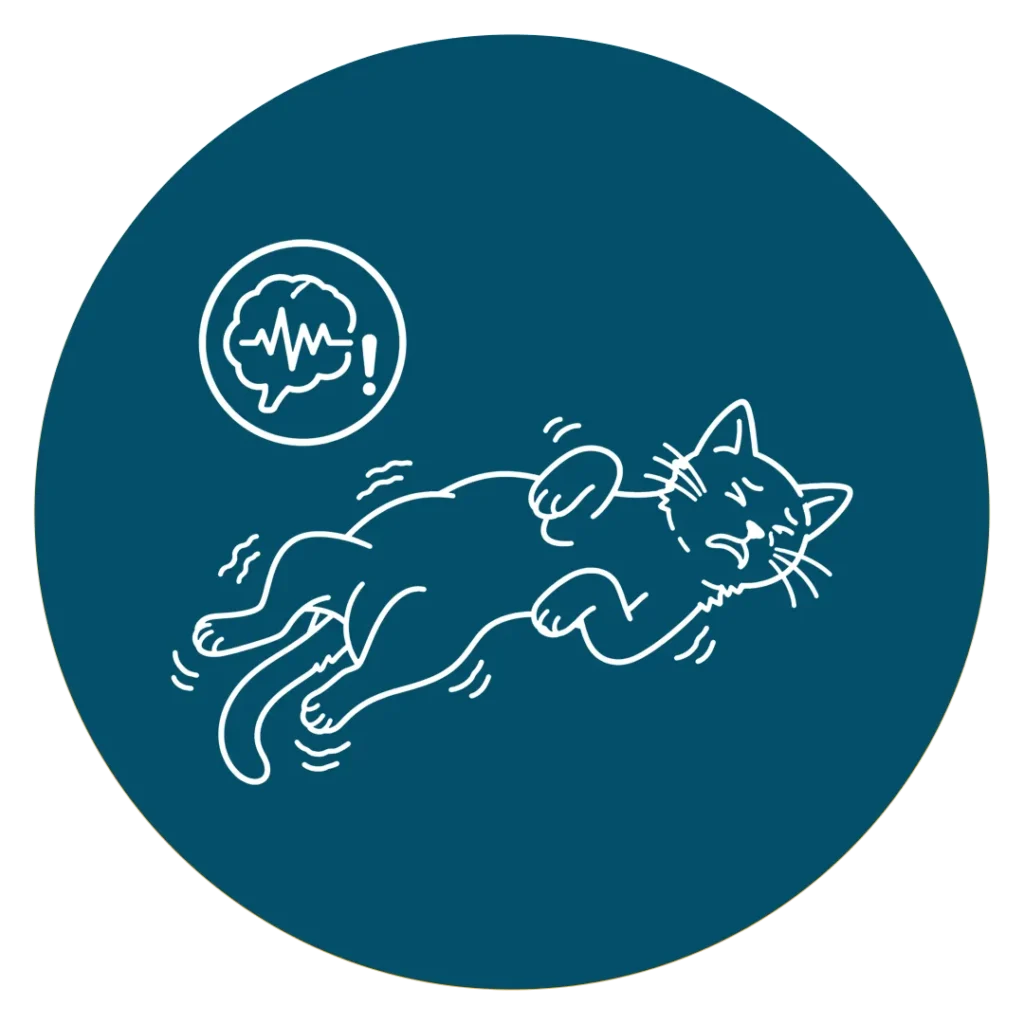
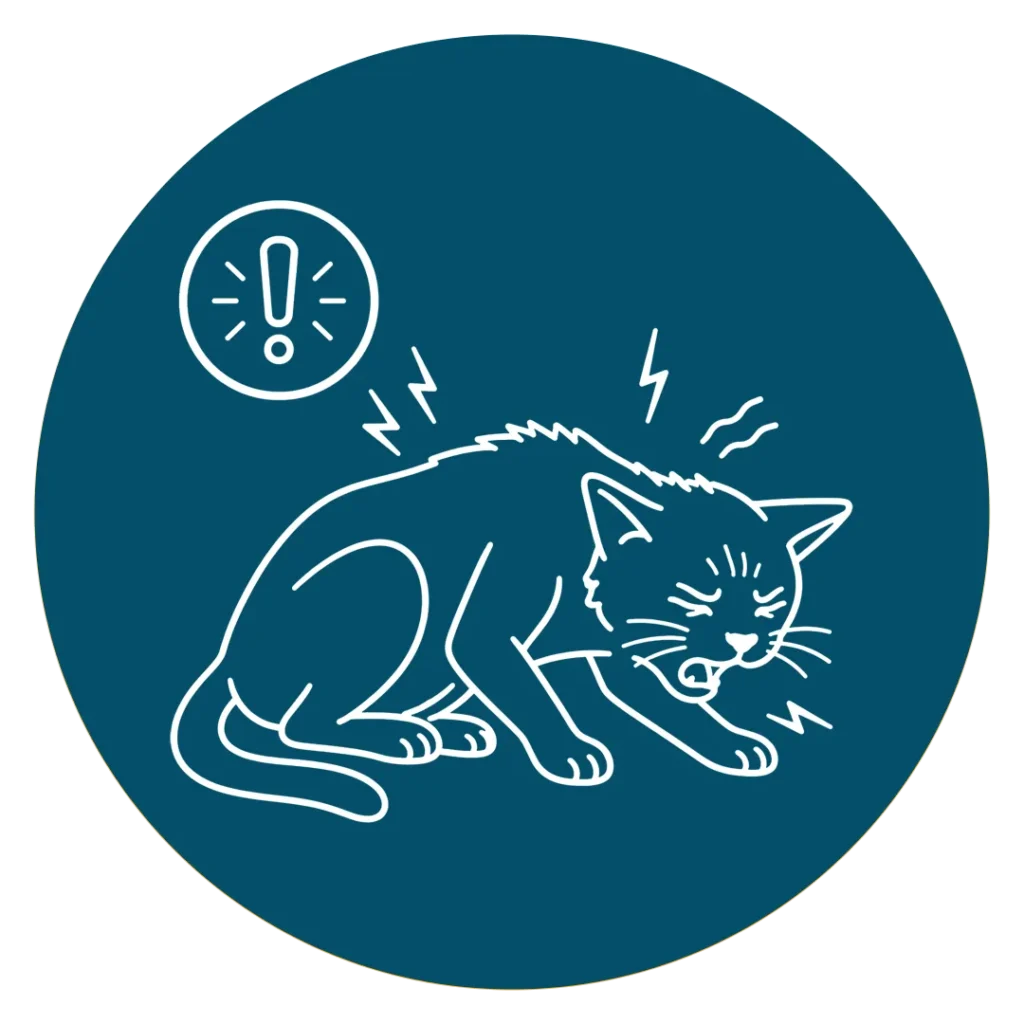


Even if your cat is nearing the end of life, emergency treatment may relieve suffering and help determine the most compassionate next step.
A gentle checklist to help you and your veterinarian evaluate your pet’s well-being. Based on the scale developed by Dr. Alice Villalobos.
Score each category from 0 (poorest) to 10 (best). Tap or click a box for each category.
Is your pet’s pain managed? Can they breathe comfortably?
Is your pet eating enough? Are they interested in food?
Is your pet drinking enough water? Are they dehydrated?
Can your pet stay clean? Any wounds, soiling, or pressure sores?
Does your pet show joy? Do they respond to family, toys, surroundings?
Can your pet move around? Do they need help standing or walking?
Overall, are there more good days than bad?
Above 35 — Generally acceptable quality of life
Continue monitoring and enjoying your time together.
Below 35 — Quality of life may be compromised
Schedule a quality-of-life consultation with your veterinarian.
Below 20 — Serious concerns
Gently discuss end-of-life options with your veterinarian.
Tip: Complete this checklist interactively or screenshot your filled results to share directly with your vet during your consultation.
Sometimes the changes happen so gradually that it’s difficult to recognize the pattern. Many veterinarians recommend keeping a simple calendar for one week.
Each evening, ask yourself one question:
“Was today a good day for my pet”?
🟢 Good Day 🔴 Difficult Day
At the end of the week, look at the overall pattern rather than one especially good or bad day. Many families tell us this simple exercise gave them clarity when emotions alone made the decision feel impossible.
Track your pet's good days and bad days for one week to help identify patterns and make informed decisions with your veterinarian.
| Day 1 | Day 2 | Day 3 | Day 4 | Day 5 | Day 6 | Day 7 | |
|---|---|---|---|---|---|---|---|
| Date | |||||||
| Overall Rating |
|
|
|
|
|
|
|
| Notes appetite, energy, comfort, joy... |
|
|
|
|
|
|
|
Score each category from 1–10. A total score above 35/70 generally suggests an acceptable quality of life.
Is pain adequately managed?
Is your pet eating enough?
Are they drinking enough fluids?
Are they clean and comfortable?
Are they still enjoying life?
Can they move comfortably?
Are the good days still outweighing the difficult ones?
If your assessment suggests your pet’s quality of life is declining, you don’t have to make decisions on your own.
Our team is here to provide compassionate, no-pressure quality-of-life consultations for families throughout Mooresville and the Lake Norman area.
Contact us here if you’d like to talk through your pet’s situation, ask questions, or discuss whether it’s time to consider in-home euthanasia.
Our goal is never to rush your decision. It’s to help you make the one that feels most loving for your pet.

If you’re reading this section, you may already know that your pet’s health is changing. You may also be carrying an enormous weight on your shoulders.
These are questions nearly every loving pet owner asks. The truth is, there is rarely a single moment when the answer becomes obvious. Instead, it’s often a series of small changes that gradually tell the story.
If you’re feeling torn, it doesn’t mean you’re failing your pet. It means you love them deeply.
Hope is a beautiful thing. But hope can also make it difficult to recognize when our pets are simply enduring each day instead of enjoying it.
The word “euthanasia” literally means “good death.” Its purpose is not to shorten a happy life — it is to gently prevent unnecessary suffering when medicine can no longer restore comfort.
Many families tell us they struggle with guilt because they feel responsible for choosing the day. The reality is that serious disease has already made that choice for your pet. Your decision is simply about preventing additional pain.
Grief doesn’t begin after a pet dies. For many families, it starts the moment they realize their best friend is nearing the end of life. This is called anticipatory grief. You may notice yourself:
These feelings are incredibly common. They don’t mean you’re losing hope. They mean your heart is already preparing for an inevitable goodbye.
When emotions become overwhelming, many veterinarians encourage families to think about the things that made their pet happiest.
If your pet can no longer comfortably enjoy several of the things that once defined their happiness, it may be time to have a compassionate conversation with your veterinarian.

One of the greatest gifts you can give yourself is asking for guidance before a crisis happens. A quality-of-life consultation doesn't mean you've decided on euthanasia — it simply gives you the opportunity to understand your pet's condition, ask questions, and discuss what the coming days or weeks may look like. If you're unsure whether it's time, we're here to help. We provide compassionate quality-of-life consultations for families throughout Mooresville and the Lake Norman area. Together, we'll talk through your pet's comfort, your concerns, and every available option without pressure or judgment.
Understanding the process ahead of time often brings comfort and allows you to focus on what matters most: being present with your beloved companion. The step-by-step timeline below walks through what typically happens, from scheduling the appointment through gentle sedation and the final, peaceful moments.
When emotions become overwhelming, many veterinarians encourage families to think about the things that made their pet happiest.
These are normal physical responses. They do not mean your pet is awake or uncomfortable. Your veterinarian will explain each step so there are no surprises.
The process begins with scheduling a time that works best for your family. During this conversation, your veterinarian will discuss your pet’s condition, answer your questions, and explain what to expect during the visit.
This is also the time to talk about aftercare options, such as private cremation, communal cremation, or home burial where legally permitted. Making these decisions ahead of time can help reduce stress on the day of the appointment.
One of the greatest advantages of in-home euthanasia is that your pet can remain in a place where they feel safe.
Some families invite close friends or relatives to be present, while others prefer a quiet, private goodbye. There is no right or wrong choice. The goal is to create an environment filled with love and calm.
When the veterinarian arrives, the appointment usually begins with conversation rather than medical procedures.
They’ll spend time:
There is never any pressure to rush. Your family sets the pace.
Before the euthanasia medication is given, most veterinarians administer a gentle sedative.
This medication allows your pet to become deeply relaxed and gradually fall into a peaceful sleep over the next several minutes. During this time, your pet is typically unaware of anxiety, fear, or discomfort.
Many families continue to:
This part of the appointment is often one of the most comforting for families.
Once your pet is fully asleep and comfortable, the veterinarian administers the euthanasia medication.
Because your companion is already deeply sedated, they remain relaxed throughout the process.
Their breathing gradually slows, followed by their heartbeat, allowing them to pass peacefully without pain.
The veterinarian will gently confirm that your beloved pet has passed before giving your family as much time as you need.
There is no schedule for grief.
Many families choose to spend several quiet minutes with their pet after they have passed.
Some may request keepsakes such as:
These small mementos often become treasured reminders of a lifetime of love.
When you’re ready, the veterinarian will carefully assist with your chosen aftercare arrangements.
Depending on the services selected, this may include transportation for cremation or helping coordinate your preferred memorial plans.
Knowing these arrangements have already been discussed allows families to focus entirely on saying goodbye.
A calm, step-by-step look at how a peaceful goodbye unfolds in the comfort of your own home.
Call your vet or in-home service. Discuss aftercare preferences (cremation, burial) so you don't have to decide while grieving.
Choose your pet's favorite spot: their bed, a blanket, the backyard. Gather family members who want to be present.
The veterinarian will spend quiet time getting to know your pet, answering your questions, and explaining each step.
A gentle injection helps your pet drift into a deep, painless sleep within 5–15 minutes. They will not feel any anxiety or discomfort from this point on.
Once your pet is deeply asleep, the vet administers the euthanasia medication. Your pet's breathing and heart gently stop. It is peaceful and pain-free.
Take all the time you need. Some families request paw prints or fur clippings as keepsakes.
The veterinarian handles transport for cremation or assists with your chosen aftercare plan.
“Your pet feels no pain. It is like
falling into a deep, peaceful sleep.”
Our team provides gentle in-home euthanasia throughout
Mooresville, NC & the Lake Norman area.
shayshayvet.com